Reasons To Not Provide Aide Advanced Disease Training
Kenyon HomeCare Consulting • March 15, 2021
As a leader in the homecare industry, you strive for excellence in everything you do. You pride yourself on providing the best client care, you network with others, stay up to date and plan for the future, and you always bring your “A” game. But what about educating your frontliners, those you count on to support clients day-in and day-out?
You Shouldn’t Participate in Aide Advanced Disease Training If…
Maybe you think you’ve got aide training covered. And maybe you’re right. Here are six reasons you might not need aide advanced disease training.
1. You enjoy the challenge of an undereducated staff.
Your staff knows enough to manage the things on their to-do lists and keep your organization running. What if something goes wrong or productivity suffers because of a lack of knowledge? Well, you just consider that a rewarding challenge.
If, on the other hand, you’d love to know – without the shadow of a doubt – that the caregivers you rely on are confident and have the knowledge to handle more than routine care, consider aide advanced disease training. Standard caregiver training is simply not enough to boost productivity and efficiency to the level you require.
2. You’re content with the number of clients currently served.
You think there’s no way you can manage clients that need more cutting-edge care. Maybe your staff feels overwhelmed, or you simply don’t have the competent resources needed for growth.
If you aren’t satisfied with the status quo then think about providing advanced disease training for your aides. This level of education offers your caregivers the ability to properly handle red flags and recognize worsening conditions. In return, clients and referral sources will refer friends, family and their patients to your organization.
3. You believe your competition has worked hard and deserves to outperform you.
You’ve gotten to know the owner of a homecare agency down the road, and you really like her. You don’t want to see her lose business.
But there’s a way to gain an edge over you competition – if you’re so inclined. Advanced disease education affords you the ability to offer specialized services and provide care for chronic disease clients. Your competition, no matter how nice, simply can’t meet these needs without advanced education!
4. You find things interesting when turnover rates are high and you must solve the cost equation of rehiring vs. budget.
Do you enjoy the process (and cost) of finding, hiring, and training replacements? If so, then definitely avoid advanced education for aides.
If you’d prefer keeping your employees long-term and avoiding the high costs of constant turnover, then advanced disease training is your answer. It gives aides the education necessary to build their careers and grow within your organization, which increases retention.
5. You think the epidemic of rising chronic diseases has been highly exaggerated.
Maybe older adults have always suffered from chronic illnesses, but they are now living longer or in the past diseases weren’t well-documented.
Several reliable sources including Partnership to Fight Chronic Disease, cite the growing increase of chronic disease. Their findings estimate that by 2025, half of the U.S. population will be affected by at least one chronic disease. With these numbers, it’s crucial for healthcare organizations to take action now. For you, that means giving your aides advanced training.
Finding the Right Aide Advanced Disease Training Program
When you decide to provide aide advanced disease training in your homecare organization, it’s important to do some research and learn all your options. Is the program designed for working adults? Is it convenient? Does it include advanced care knowledge needed to help prevent rehospitalizations, such as warning signs of a worsening condition and when your aides need to to call their manager?
At Kenyon HomeCare Consulting’s Aide University, we offer a comprehensive learning program that was created by industry experts to give your aides the tools for success. Schedule a consultation today to learn more.
Results Based Consulting
Did you find value in this blog post? Imagine what we can do for your home care or hospice agency. Fill out the form below to see how we're leading the industry with innovation, affordability, and experience.
Contact Us

When evaluating a mentor or advisor for post-acute care leadership, look for these non-negotiable qualities and capabilities to ensure you have what you need.

The OASIS assessment and ICD-10 coding are not mere administrative paperwork—they form the financial baseline of the entire agency. And, the clinical must match.

Home health is a vital bridge between acute hospital intervention and long-term wellness which requires shifting focus from crisis management to patient empowerment.

An interim manager offers immediate stability, proven expertise, and a fresh perspective while the organization searches for a permanent leader in administration

Product features can be copied, and prices undercut, but a highly trained field team that consistently delivers stronger clinical outcomes is difficult to beat.

A policy manual is only as good as its last update. Agencies should establish a routine—at least annually, and following regulatory shifts—to review and revise.

Chronic disease education is more than clinical compliance; it is business strategy. Staff becoming chronic care experts increases revenue and improves retention.

In an era of rising healthcare costs and widespread clinician burnout, healthcare organizations are facing a critical challenge: how to deliver superior patient care while maintaining a stable, motivated workforce and a thriving business model.
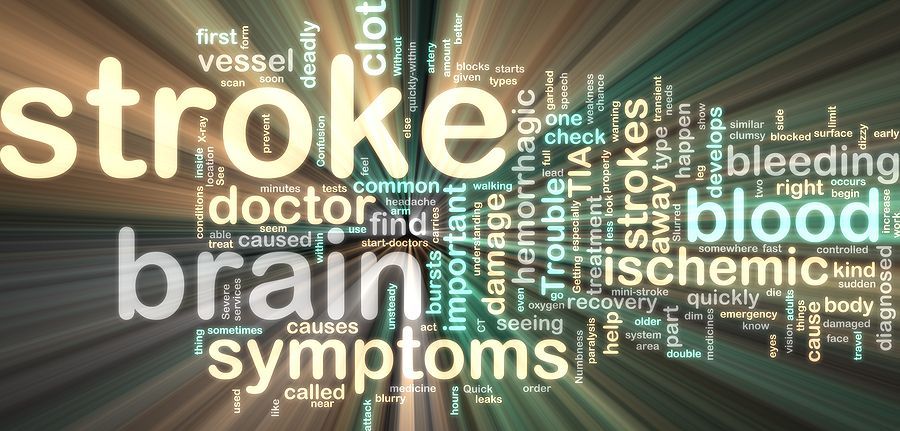
When a patient returns home after a stroke, the clinical landscape changes instantly. Survival is just the first hurdle; the real challenge lies in navigating the complex, often unpredictable journey of rehabilitation and long-term care. For home health and home care agencies and senior care facilities, caring for a stroke survivor requires more than help with Activities of Daily Living (ADLs). Stroke can affect a patient’s neurological, physical, and emotional functioning simultaneously. That’s why specialized, stroke-specific clinical training for caregivers is essential to improving patient outcomes, supporting staff retention, and strengthening the agency’s overall performance. The Multidimensional Complexity of Post-Stroke Care A stroke is not a singular event with a linear recovery path. Depending on the location and severity of the brain injury, caregivers may confront a baffling array of concurrent deficits: Physical and Motor Deficits: Hemiparesis (one-sided weakness) or hemiplegia (one-sided paralysis) completely alters transfer techniques. Improperly moving a patient can cause severe shoulder subluxation or skin tears. Cognitive and Communication Barriers: Aphasia (difficulty speaking or understanding speech) and dysphagia (swallowing difficulties) require immense patience and highly specific intervention techniques to prevent profound frustration or life-threatening aspiration pneumonia. Neurobehavioral Changes: Sudden emotional lability, post-stroke depression, or structural personality changes can easily overwhelm an untrained caregiver, leading to burnout or adversarial dynamics in the home. Without structured education, caregivers are left to rely on intuition. In complex neurological care, intuition is rarely enough to prevent adverse events. 4 Strategic Benefits of Specialized Stroke Education Investing in robust stroke-specific training programs transforms an agency's frontline staff from general monitors into clinical assets. 1. Drastic Reduction in Hospital Readmissions The first 30 to 90 days post-discharge are high-risk windows for stroke survivors. Educated caregivers act as the eyes and ears of the clinical team. They are trained to look past basic symptoms and identify subtle warning signs early: Recognizing micro-signs of silent aspiration during meals. Monitoring for deep vein thrombosis (DVT) in affected limbs. Identifying skin breakdown early on the hemiplegic side. Spotting the warning signs of a secondary stroke using the B.E. F.A.S.T. protocol (Balance, Eyes, Face, Arms, Speech, Time). Early identification allows for timely home health or physician interventions, keeping the patient safe at home and protecting the agency's rehospitalization metrics. 2. Safeguarding Staff and Patients (Risk Mitigation) The process of transferring a patient with dense hemiparesis requires precise biomechanical knowledge. Specialized education teaches caregivers how to support the affected side without pulling on weakened joints, how to properly utilize assistive devices (gait belts, sit-to-stand lifts), and how to manage one-sided neglect (where a patient completely forgets one side of their body exists). Proper training mitigates the risk of catastrophic falls and shields caregivers from debilitating musculoskeletal injuries, directly lowering workers' compensation claims and liability exposure. 3. Boosting Staff Retention and Professional Empowerment High turnover in caregiving is often caused by burnout and feeling unprepared for challenging cases. When an agency provides specialized clinical training, helping staff understand stroke-related behaviors and advanced transfer methods, it strengthens the caregiver’s role. Staff members feel empowered, confident, and valued as professionals rather than viewed as standard domestic labor. This professional dignity translates directly into higher job satisfaction and improved staff retention. 4. A Powerful Market Differentiator In a crowded marketplace, families and hospital discharge planners look for specialized expertise. An agency that can explicitly state, "Our caregiving staff undergoes advanced, competency-verified training in post-stroke neurological care, dysphagia management, and transfer safety," holds a massive competitive advantage. It builds immediate trust with families and establishes preferred provider relationships with local health systems and stroke centers. Building a Competency-Based Training Framework Effective stroke education cannot be a passive, check-the-box exercise. To truly impact care quality, an agency's training framework should combine foundational knowledge with hands-on validation: Neurological Fundamentals Core Focus Areas: Types of strokes, one-sided neglect, emotional lability, and aphasia communication strategies. Competency Verification: Written scenario analysis and communication roleplay. Mobility & Safety Core Focus Areas: Safe transfers (bed to chair), handling the flaccid or spastic limb, fall prevention, and skin integrity. Competency Verification: Hands-on return demonstration with a mechanical lift/gait belt. Nutritional Security Core Focus Areas: Dysphagia precautions, recognizing pocketed food, fluid thickening consistency, and aspiration prevention. Competency Verification: Direct observation of meal prep and feeding techniques. Conclusion: An Investment in Excellence The care of a stroke survivor is inherently complex, demanding, and volatile. Expecting caregivers to navigate these intricacies without targeted clinical education places an unfair burden on the employee and exposes the patient and the agency to significant risk. By prioritizing advanced stroke education, agencies and facilities do more than just improve compliance; they foster a culture of clinical excellence. The results are undeniable: safer patients, more confident and loyal caregivers, and a highly respected agency brand that stands out as a leader in complex home-based care. For in-depth education on caring for a person with a stroke, contact Kenyon HomeCare Consulting, which offers an 8-hour DSHS-certified continuing education course . Each chronic disease course includes a certification with a red-and-yellow flag guide that can be laminated for caregiving staff. To learn more, call 206-721-5091 or email gkenyon@kenyonhcc.com .
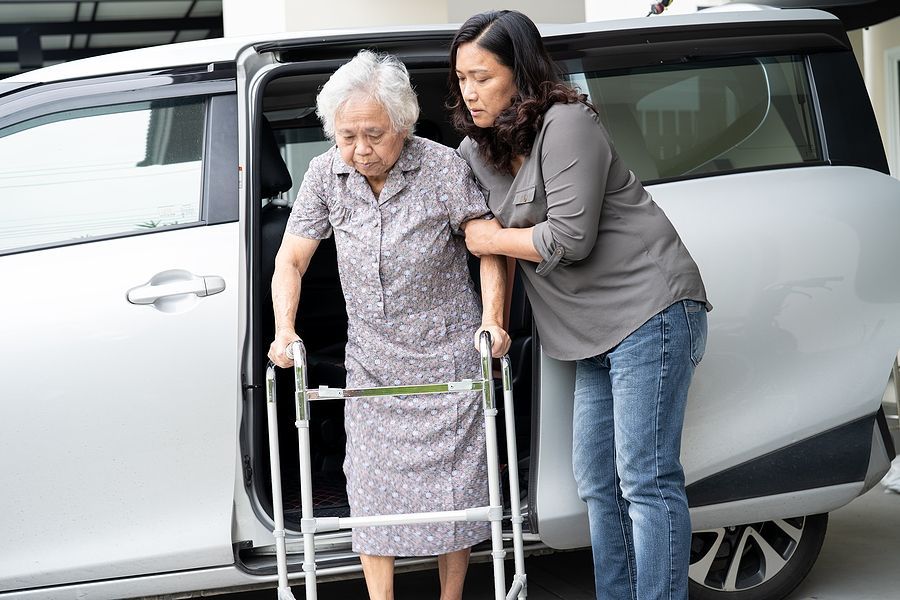
MS is notorious for its volatility. Understanding nuances like the MS Hug or Uthoff's phenomenon are crucial to providing the quality of care these patient's need.