Sales 101: Unlocking the Secrets of Successful Exchanges

Ginny Kenyon • March 28, 2026

At its simplest level, sales are the process of providing goods or services in exchange for money. However, in the modern business world, sales have evolved far beyond a mere transaction. It is a sophisticated blend of psychology, problem-solving, and relationship management.


To understand sales, you have to look past the "pitch" and focus on the value.


1. The Core Philosophy: Solving, Not Selling

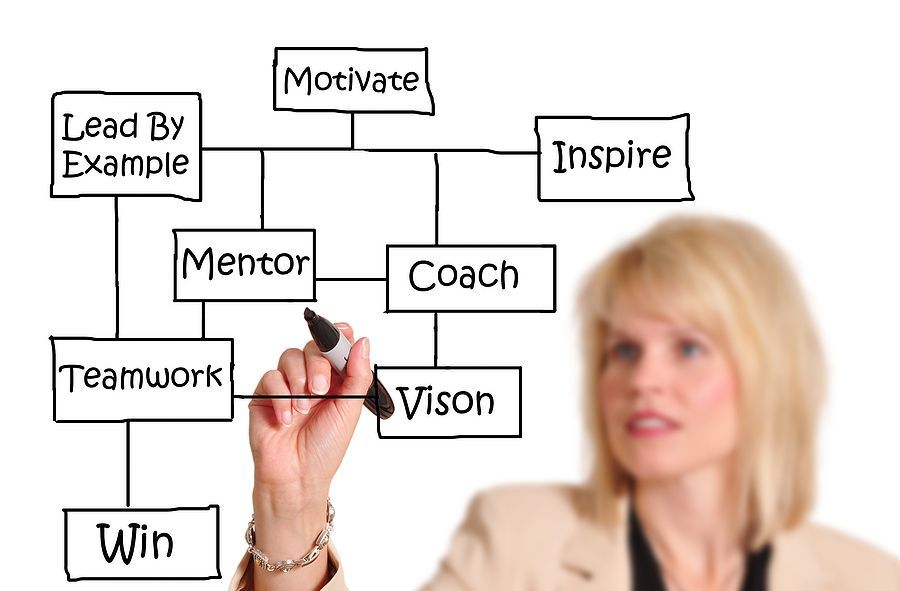
The most successful salespeople don't view themselves as "sellers." They view themselves as consultants.

Modern sales are built on the idea of Problem/Solution Matching. If a customer has a problem (a "pain point") and your product can solve it, the sale is simply the logical conclusion of that discovery. If you try to sell something to someone who doesn't need it, you aren't doing sales; you're doing a disservice.


2. The Sales Pipeline (The Journey)

Most sales follow a structured path known as the Sales Funnel or Pipeline. While the names change depending on the industry, the stages generally look like this:


· Prospecting: Identifying potential customers who might need your product.


· Qualifying: Determining if the prospect has the budget, authority, and actual need       to buy.


· Discovery: Asking deep questions to understand the client's specific challenges.


· Presentation/Pitch: Showing exactly how your product solves those challenges.


· Handling Objections: Addressing concerns about price, timing, or competitors.


· Closing: Finalizing the agreement and signing the contract.


· Follow-up: Ensuring the customer is happy (which leads to referrals).


3. Common Sales Methodologies

There isn't just one way to sell. Different products require different strategies:

Always remember you are there to help the referral source with their problems. Learn what they do and where their pain points are. E.g., if the organization is in the senior housing business, the goal is always to keep the apartments full. If a resident needs more care than the building is licensed to provide, you can help by providing the needed services and keeping the resident renting the apartment. Look to be a partner with the referral source. Hard sales (talking about your agency) turn off potential referral sources.


If you are having difficulty with your sales, call Kenyon HomeCare Consulting at 206-721-5091 or email gkenyon@kenyonhcc.com.


Results Based Consulting

Did you find value in this blog post? Imagine what we can do for your home care or hospice agency. Fill out the form below to see how we're leading the industry with innovation, affordability, and experience.

Contact Us
Success
By Ginny Kenyon June 23, 2026
The "coder" role has evolved into a "Clinical Documentation Integrity" role. Certification in ICD-10 and OASIS bridges the gap between the bedside and the claim.
SWOTanalysis
By Ginny Kenyon June 23, 2026
For home health administrators, a SWOT Analysis is a critical survival tool that allows agencies to assess internal capabilities and analyze the external market.
Letterofintent
By Ginny Kenyon June 18, 2026
Below is a professional LOI template for joining an insurance network designed to emphasize operational readiness, clinical expertise, and geographic need.
insurance credentialing
By Ginny Kenyon June 16, 2026
Insurance credentialing can be complicated. Whether you are new the industry or independent provider, here are 6 steps to help you successfully through the process.
breaking the bank
By Ginny Kenyon June 12, 2026
For agencies in 2026, Medicare home health is a labyrinth of costly red tape. Regulatory complexity has become one of the single greatest barriers to efficiency.
silver tsunami
By Ginny Kenyon June 9, 2026
Silver Tsunami- by 2030, 1 in every 5 Americans will be of retirement age. With an unprecedented rise in chronic illness the demand for home health services is huge.
Education improves inpact
By Ginny Kenyon June 6, 2026
In 2026, the management of chronic diseases such as diabetes, hypertension, and heart failure moved away from a reactive "wait-and-see" model to a 24/7 proactive ecosystem. Driven by Artificial Intelligence (AI) and the Internet of Medical Things (IoMT) , technology is no longer just a tool for tracking data—it is a "co-pilot" for both patients and clinicians. By analyzing thousands of data points in real-time, AI can effectively turn the patient's home into a sophisticated clinical hub. 1. Predictive Analytics: Seeing the Crisis Before It Starts The most transformative use of AI in 2026 is its ability to identify subtle patterns that human clinicians might miss. Machine learning models now achieve 93% to 97% accuracy in detecting early signs of health deterioration , such as heart attacks or sepsis, often before symptoms even appear. Early Warning Systems: For patients with heart failure, AI can detect gradual weight gain or changes in respiratory rate that signal fluid buildup. Risk Stratification: Predictive models analyze years of electronic health records (EHRs), genomic data, and lifestyle factors to flag "high-risk" patients months in advance, allowing for preventive interventions that reduce emergency room visits by up to 40% . 2. The Evolution of Remote Patient Monitoring (RPM) RPM in 2026 has moved beyond basic blood pressure cuffs. The integration of AI has created a "continuous monitoring" environment that is non-invasive. Contactless Vitals: Using ordinary cameras and AI-based analysis, systems can now estimate heart rate, respiratory rate, and blood pressure trends without the patient needing to wear a single device. Smart Wearables: Devices like smart rings and biosensor patches continuously track glucose levels, inflammation markers, and heart rate variability . If a threshold is crossed, the AI automatically alerts the medical team or triggers an emergency response . Adherence and Engagement: AI-driven smart dispensers and virtual assistants ensure medication compliance by providing personalized reminders and alerting caregivers if doses are skipped. AI vs. Traditional Chronic Management (2026) Data Collection Traditional Care (Pre-2025): Episodic (at office visits) AI-Enhanced Care (2026): Continuous (24/7 real-time) Diagnosis Traditional Care (Pre-2025): Reactive (responding to symptoms) AI-Enhanced Care (2026): Proactive (predictive patterns) Treatment Traditional Care (Pre-2025): Standardized/Protocol-based AI-Enhanced Care (2026): Hyper-personalized/Precision-based Readmission Risk Traditional Care (Pre-2025): High (post-discharge gaps) AI-Enhanced Care (2026): Reduced by up to 38% 3. Combating Clinician Burnout with "Ambient AI." While patients benefit from better care, healthcare providers are using AI to solve the administrative "paperwork crisis." Ambient Scribing: AI "scribes" now listen to patient encounters and automatically generate clinical notes , reducing the time clinicians spend on documentation and allowing them to focus entirely on the patient. Triage and Workflow: AI systems triage incoming data from thousands of RPM devices, only alerting doctors to the cases that require immediate human attention. This allows small primary care practices to manage larger patient volumes more effectively . 4. Challenges: Ethics and the Digital Divide Despite these advances, the adoption of AI in 2026 faces significant hurdles. Data Privacy: Using synthetic data (artificial datasets that mimic real patient data) is becoming a standard way to train AI while protecting individual privacy. Algorithmic Bias: There is an ongoing effort to ensure that AI models do not widen existing healthcare disparities by being trained on non-representative data. Trust: Clinicians and patients alike must navigate the "black box" of AI, learning to trust recommendations while maintaining human oversight for critical medical decisions. In 2026, technology will have effectively moved chronic disease management out of the clinic and into the "smart home." While the human-doctor relationship remains central, AI provides an invisible safety net that will ensure a minor health fluctuation doesn't turn into a major medical crisis. If you are not educating all your staff, nurses, therapists, and yes, aides as well as using current AI-integrated EMRs, you are already far behind the curve. If you need assistance with education, Kenyon HomeCare Consulting has DSHS-certified, Online Chronic Disease Education . If you need assistance, call 206-721-5091 or email gkenyon@kenyonhcc.com . WE ARE HERE TO HELP!
Costly mistakes
By Ginny Kenyon June 3, 2026
The patient's clinical picture must match the data provided to CMS. Here are the most frequent scoring errors found in OASIS, along with how to avoid them.
ICD 10 coding
By Ginny Kenyon May 30, 2026
In home health, ICD-10 coding and OASIS integrity shape clinical story, support reimbursement, and influence care planning from from assessment through discharge.
PT director
By Ginny Kenyon May 26, 2026
In the complex landscape of home health and rehabilitation, the Physical Therapy (PT) Director serves as both a clinical anchor and a strategic navigator.