Start Your Home Care Company Off On The Right Foot: Systematize Internal Operations Today
October 26, 2021
systemize your internal operations
Where to Start:
Software
is a good place to start. What software will you be or are you using? And, most importantly, is your staff using the software that way it is designed? All too often, while conducting a due diligence for sale or purchase, we find that a home care agency has a very good software product, but staff is doing “work around” because they want data or information in a different format. Do not allow “work around”! It increases costs and reduces the value of the company.
In addition to “work around”, we discover staff developing tracking sheets in excel or other programs. This only consumes their time and adds very little value to your home care agency. Regularly review all processes in your company for necessity and for value to the company in terms of information or data needed to make decisions. Systems and processes that are not adding value to the decision making process or document needed information need to be discontinued. Conduct a yearly evaluation of your systems and processes to make sure they meet the needs of your home care agency, add value, and are not taking staff time that serves no added value.
The recruitment and retention
system is another internal system that needs to be reviewed and refined annually. As with other systems, the more routine you can make the system, the less time and money it costs. Who is responsible for placing caregiver ads, reviewing submissions to assure applicants meet requirements and for scheduling interviews and testing? When is this done and how many people need to be involved in the system? How often is the system reviewed for potential cost savings? In addition, what is the cost of the retention system? Is it achieving the desired results?
Payroll and billing
is another essential part of the infrastructure. If you are on a computerized system with a good point of care application, most of the billing and payroll will be created when it is time to roll payroll or billing. In addition to the payroll and billing system, the system for collections will have a direct impact on the value of an agency. A sound collections system assures that your home care agency’s accounts receivable are never more than 45 days. This will also increase the value of the home care agency. The more automated your systems, the less the cost is to your operations and the more valuable your agency.
Your management team
also influences the ultimate value of your home care company. Who is responsible for decision making in different areas of the home care agency? Frequently, we find the owner has retained decision making in their position. Failure to invest in your managers and give decision making authority over their areas of
responsibility ultimately makes your company less valuable. Your job, as the owner, is to eventually make yourself obsolete. Doing so places the value in your home care agency – not you – when you’re ready to sell.
If you are having difficulty establishing internal systems that are cost effective and achieve desired results, Kenyon Homecare Consulting
is here to help. Call Ginny Kenyon at 206-721-5091 or contact us online. We are here for you.
Results Based Consulting
Did you find value in this blog post? Imagine what we can do for your home care or hospice agency. Fill out the form below to see how we're leading the industry with innovation, affordability, and experience.
Contact Us

Winning the caregiver shortage isn't about running more ads; it's treating recruitment as a high-speed customer service experience and retention as a culture investment.

Regulatory compliance shouldn't function as a reactive response to survey threat; it must be embedded in day-to-day operations. Proactive agencies prove successful.
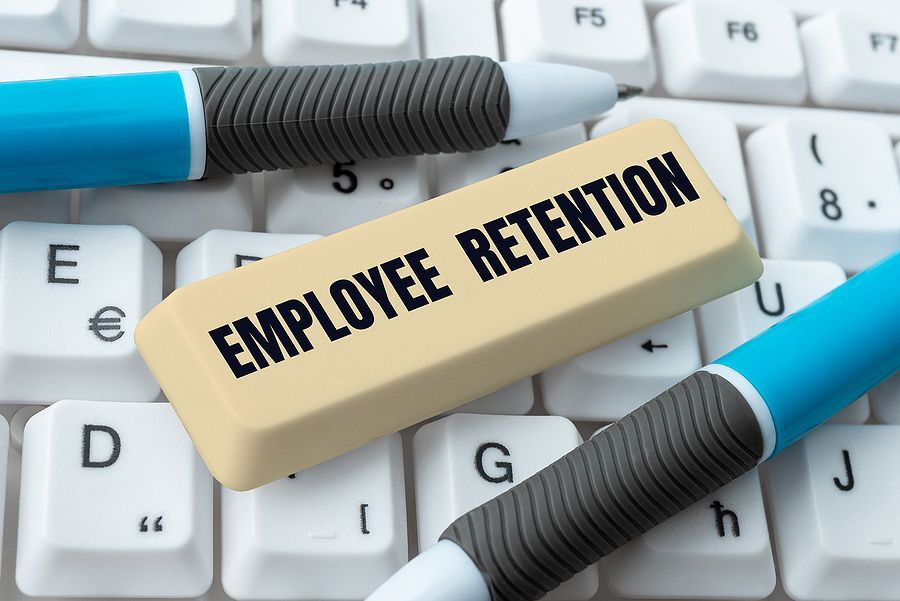
By lowering turnover costs and unlocking capacity to accept referrals, home care agencies turn staff retention into their strongest revenue driver. It's a win-win.

Don’t leave money on the table. If you don't have OASIS-E1 and ICD-10 certified staff working in your agency, you are probably one of the agencies losing money.

Investing in retention is tied to growth and clinical success. When agencies prioritize retention, they transform high-turnover roles into stable, lifelong careers.

Is your Home Health agency making money but not as much as others in your area? Is your clinical and coding team making mistakes that leave money on the table?

When evaluating a mentor or advisor for post-acute care leadership, look for these non-negotiable qualities and capabilities to ensure you have what you need.

The OASIS assessment and ICD-10 coding are not mere administrative paperwork—they form the financial baseline of the entire agency. And, the clinical must match.

Home health is a vital bridge between acute hospital intervention and long-term wellness which requires shifting focus from crisis management to patient empowerment.

An interim manager offers immediate stability, proven expertise, and a fresh perspective while the organization searches for a permanent leader in administration