By Ginny Kenyon
•
August 12, 2026
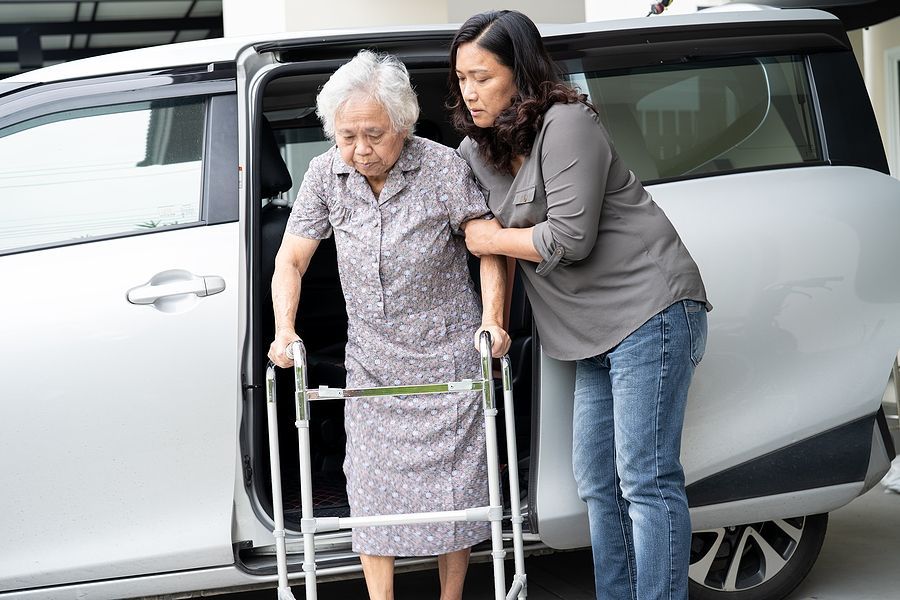
When a patient returns home after a stroke, the clinical landscape changes instantly. Survival is just the first hurdle; the real challenge lies in navigating the complex, often unpredictable journey of rehabilitation and long-term care. For home health and home care agencies and senior care facilities, caring for a stroke survivor requires more than help with Activities of Daily Living (ADLs). Stroke can affect a patient’s neurological, physical, and emotional functioning simultaneously. That’s why specialized, stroke-specific clinical training for caregivers is essential to improving patient outcomes, supporting staff retention, and strengthening the agency’s overall performance. The Multidimensional Complexity of Post-Stroke Care A stroke is not a singular event with a linear recovery path. Depending on the location and severity of the brain injury, caregivers may confront a baffling array of concurrent deficits: Physical and Motor Deficits: Hemiparesis (one-sided weakness) or hemiplegia (one-sided paralysis) completely alters transfer techniques. Improperly moving a patient can cause severe shoulder subluxation or skin tears. Cognitive and Communication Barriers: Aphasia (difficulty speaking or understanding speech) and dysphagia (swallowing difficulties) require immense patience and highly specific intervention techniques to prevent profound frustration or life-threatening aspiration pneumonia. Neurobehavioral Changes: Sudden emotional lability, post-stroke depression, or structural personality changes can easily overwhelm an untrained caregiver, leading to burnout or adversarial dynamics in the home. Without structured education, caregivers are left to rely on intuition. In complex neurological care, intuition is rarely enough to prevent adverse events. 4 Strategic Benefits of Specialized Stroke Education Investing in robust stroke-specific training programs transforms an agency's frontline staff from general monitors into clinical assets. 1. Drastic Reduction in Hospital Readmissions The first 30 to 90 days post-discharge are high-risk windows for stroke survivors. Educated caregivers act as the eyes and ears of the clinical team. They are trained to look past basic symptoms and identify subtle warning signs early: Recognizing micro-signs of silent aspiration during meals. Monitoring for deep vein thrombosis (DVT) in affected limbs. Identifying skin breakdown early on the hemiplegic side. Spotting the warning signs of a secondary stroke using the B.E. F.A.S.T. protocol (Balance, Eyes, Face, Arms, Speech, Time). Early identification allows for timely home health or physician interventions, keeping the patient safe at home and protecting the agency's rehospitalization metrics. 2. Safeguarding Staff and Patients (Risk Mitigation) The process of transferring a patient with dense hemiparesis requires precise biomechanical knowledge. Specialized education teaches caregivers how to support the affected side without pulling on weakened joints, how to properly utilize assistive devices (gait belts, sit-to-stand lifts), and how to manage one-sided neglect (where a patient completely forgets one side of their body exists). Proper training mitigates the risk of catastrophic falls and shields caregivers from debilitating musculoskeletal injuries, directly lowering workers' compensation claims and liability exposure. 3. Boosting Staff Retention and Professional Empowerment High turnover in caregiving is often caused by burnout and feeling unprepared for challenging cases. When an agency provides specialized clinical training, helping staff understand stroke-related behaviors and advanced transfer methods, it strengthens the caregiver’s role. Staff members feel empowered, confident, and valued as professionals rather than viewed as standard domestic labor. This professional dignity translates directly into higher job satisfaction and improved staff retention. 4. A Powerful Market Differentiator In a crowded marketplace, families and hospital discharge planners look for specialized expertise. An agency that can explicitly state, "Our caregiving staff undergoes advanced, competency-verified training in post-stroke neurological care, dysphagia management, and transfer safety," holds a massive competitive advantage. It builds immediate trust with families and establishes preferred provider relationships with local health systems and stroke centers. Building a Competency-Based Training Framework Effective stroke education cannot be a passive, check-the-box exercise. To truly impact care quality, an agency's training framework should combine foundational knowledge with hands-on validation: Neurological Fundamentals Core Focus Areas: Types of strokes, one-sided neglect, emotional lability, and aphasia communication strategies. Competency Verification: Written scenario analysis and communication roleplay. Mobility & Safety Core Focus Areas: Safe transfers (bed to chair), handling the flaccid or spastic limb, fall prevention, and skin integrity. Competency Verification: Hands-on return demonstration with a mechanical lift/gait belt. Nutritional Security Core Focus Areas: Dysphagia precautions, recognizing pocketed food, fluid thickening consistency, and aspiration prevention. Competency Verification: Direct observation of meal prep and feeding techniques. Conclusion: An Investment in Excellence The care of a stroke survivor is inherently complex, demanding, and volatile. Expecting caregivers to navigate these intricacies without targeted clinical education places an unfair burden on the employee and exposes the patient and the agency to significant risk. By prioritizing advanced stroke education, agencies and facilities do more than just improve compliance; they foster a culture of clinical excellence. The results are undeniable: safer patients, more confident and loyal caregivers, and a highly respected agency brand that stands out as a leader in complex home-based care. For in-depth education on caring for a person with a stroke, contact Kenyon HomeCare Consulting, which offers an 8-hour DSHS-certified continuing education course . Each chronic disease course includes a certification with a red-and-yellow flag guide that can be laminated for caregiving staff. To learn more, call 206-721-5091 or email gkenyon@kenyonhcc.com .